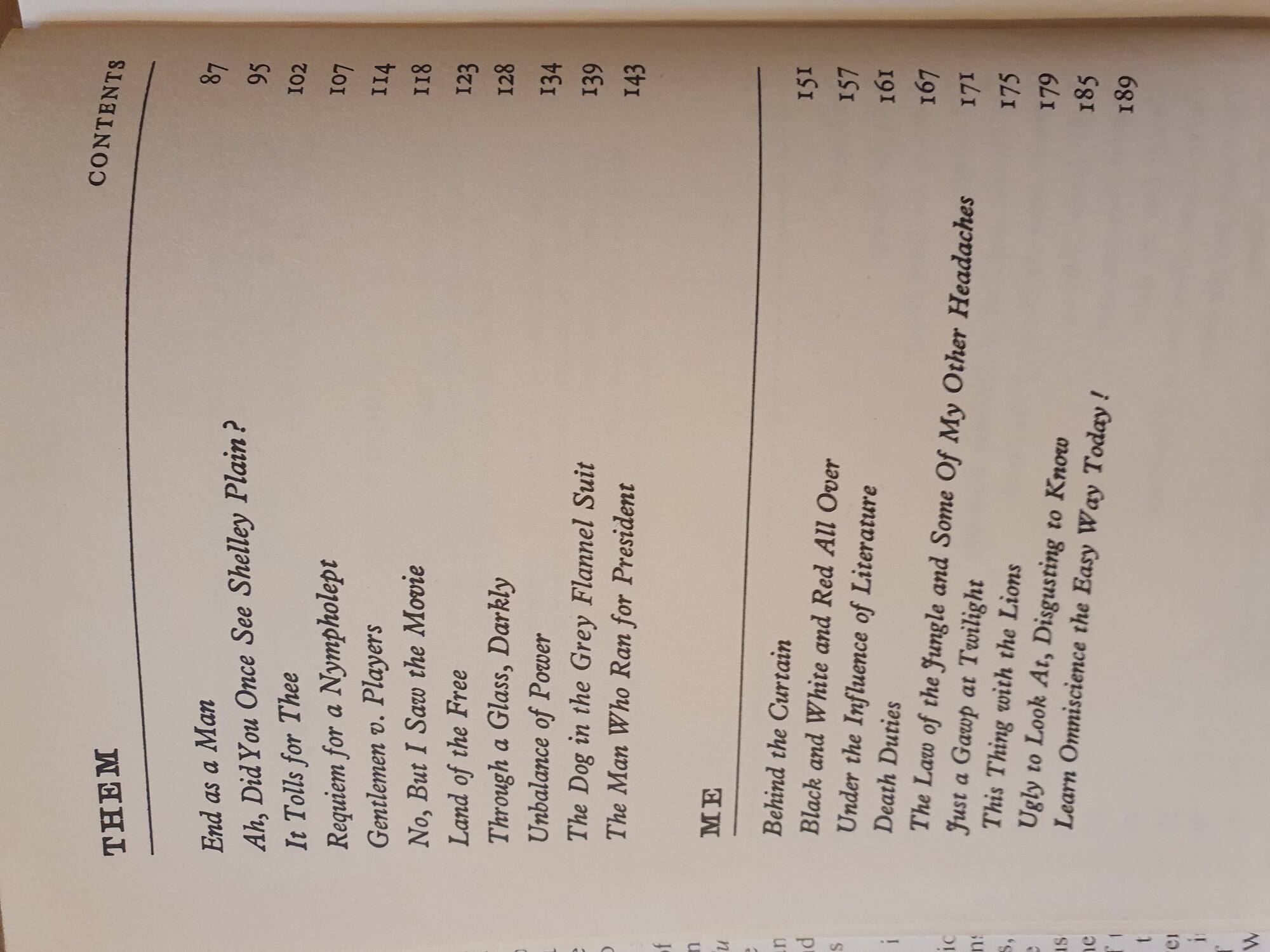
Okay, let's delve into "The Dog It Was That Died" by Alan Coren. This book is a deeply moving and surprisingly practical guide to grief and how to navigate the aftermath of a loss, particularly the loss of a beloved pet. Here's a breakdown of what it's about:
**Core Concept & Philosophy:**
* **Beyond the Sadness:** Coren argues that grief isn't just about feeling sad. It's a complex process involving a range of emotions - anger, guilt, confusion, and a profound sense of loss. He emphasizes that simply *feeling* sad isn't enough; you need to understand *why* you're feeling that way.
* **The "Dog's Perspective":** The book's central idea is rooted in the observation that dogs, despite their limited capacity for human language, often offer surprisingly insightful perspectives on our own grief. Coren suggests that the dog's experience of loss - the absence of their companion, the change in routine, the feeling of emptiness - can be a powerful tool for understanding our own pain.
* **Acceptance as a Process:** The book isn't about "getting over" the loss quickly. It's about accepting the reality of the loss and allowing yourself to grieve in a way that feels authentic to you. It's a journey of understanding, not a linear fix.
**Key Themes & Approaches:**
* **The "Dog's Voice":** This is the book's namesake. Coren describes how dogs communicate their feelings through body language, vocalizations, and even subtle changes in behavior. He encourages readers to pay attention to these cues and to recognize that the dog's experience is valid.
* **Recognizing Patterns:** The book helps you identify recurring thoughts, feelings, and behaviors that emerge during the grieving process. It prompts you to examine how you're reacting to the loss and whether there are patterns you can learn from.
* **Dealing with Guilt:** A significant portion of the book addresses the common and often painful experience of guilt - the feeling that you could have done something differently. Coren offers strategies for acknowledging guilt without letting it consume you.
* **Finding Meaning:** The book encourages you to look for meaning in the loss, even if it's a small thing. It suggests that the love and companionship you shared with your dog can still be a source of comfort and connection.
* **The Importance of Routine:** Coren stresses the importance of maintaining a sense of routine, even when it feels impossible. This provides a sense of stability and normalcy during a time of upheaval.
* **Self-Compassion:** The book emphasizes the need to be kind and understanding to yourself. Grief is difficult, and it's okay to have bad days.
**Structure & Style:**
* **Narrative Approach:** The book is structured as a series of "dog stories" - short, anecdotal accounts of how Coren's own dog, a Labrador named "Buddy," experienced loss and how he offered insights into the grieving process.
* **Practical Exercises:** It includes exercises and prompts to help readers reflect on their own experiences and apply the principles to their own grief.
* **Accessible Language:** Coren writes in a clear, straightforward style, making the book accessible to a wide range of readers.
**Why it's Popular:**
* **Relatability:** The idea of a dog offering a unique perspective on grief is incredibly appealing.
* **Practicality:** The book offers concrete strategies for coping with grief, rather than just offering platitudes.
* **Hope:** Despite acknowledging the pain of loss, the book ultimately offers a message of hope and the possibility of healing.
**Resources:**
* **Alan Coren's Website:** [https://www.alancoren.com/](https://www.alancoren.com/) - This is a great place to learn more about the book and Coren's work.
**Disclaimer:** *I am an AI Chatbot and not a mental health professional. If you are struggling with grief, please reach out to a qualified therapist or counselor.*
---
To help me give you even more tailored information, could you tell me:
* **What specifically are you interested in learning about the book?** (e.g., are you curious about a particular chapter, or a specific aspect of the book's approach
|