|
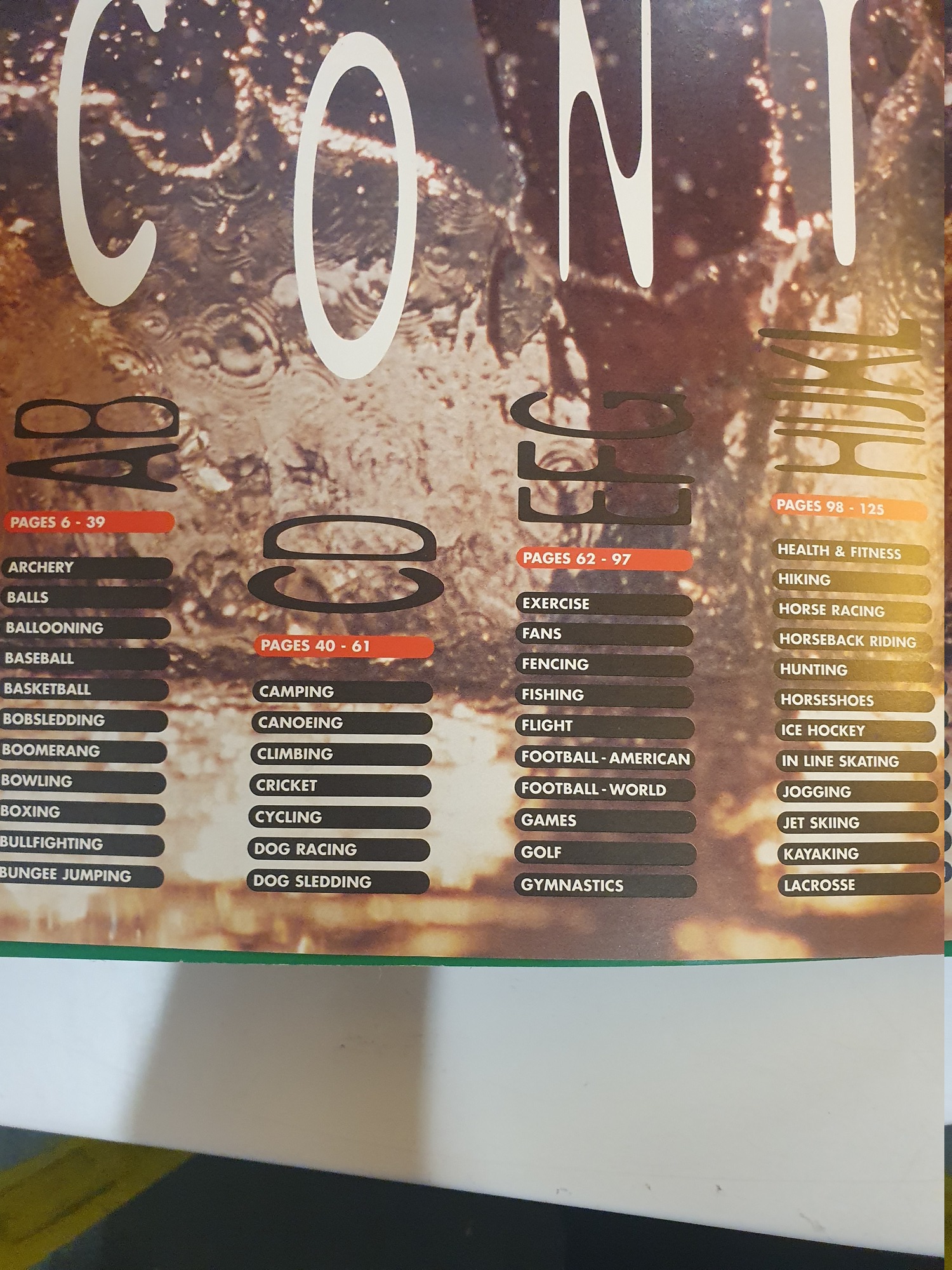
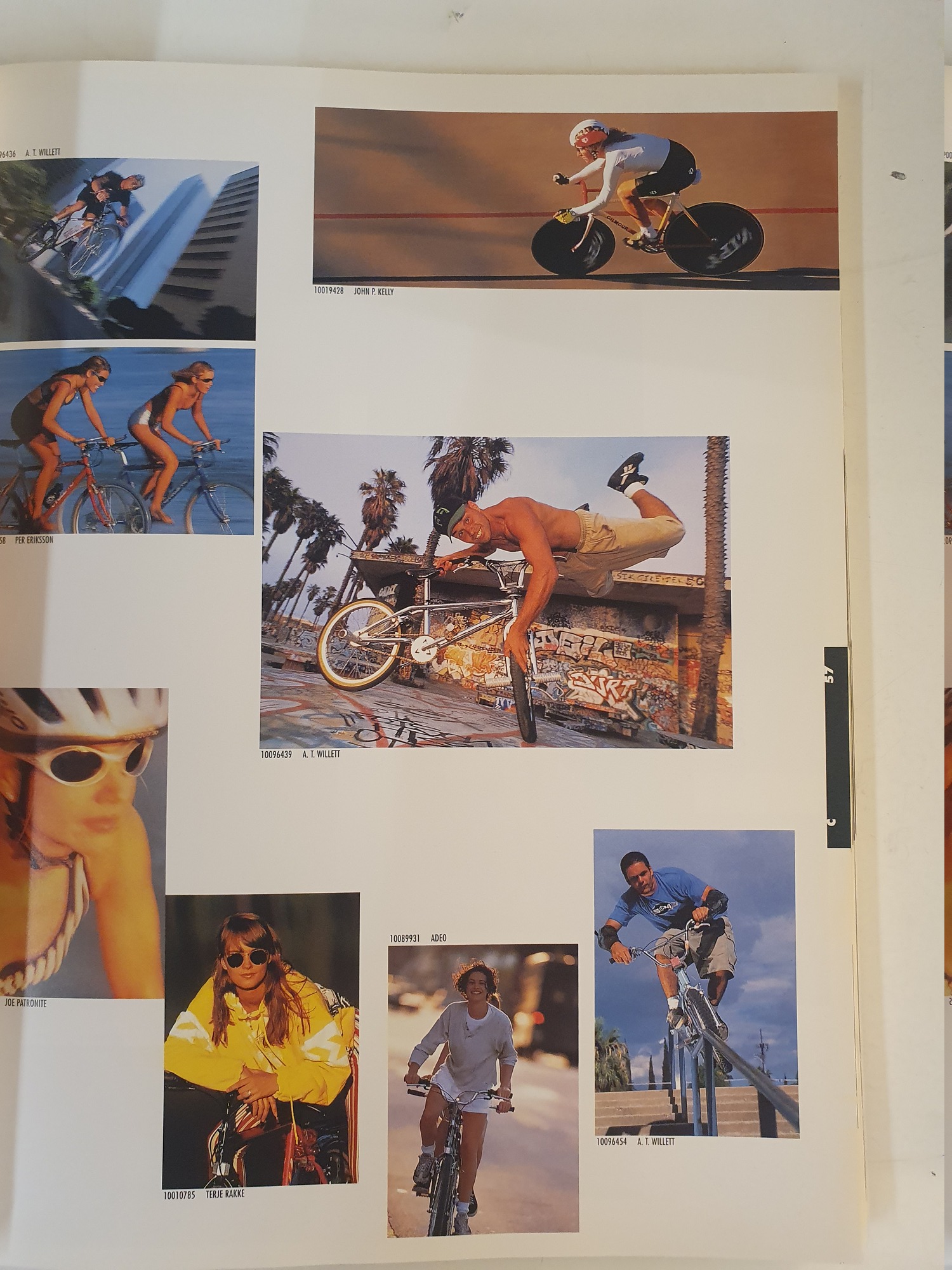
Imagebank 2020 A-Z of Sports Verlag: Oxfam Englisch 5.00 CHF ISBN: 978-3-85279768-9 |
|
|
In den Warenkorb Merken
|
|
           |
|
|
Okay, let's delve into the Imagebank 2020 A-Z of Sports - Verlaox, a fascinating and complex project from Oxfam. It's a really significant and somewhat controversial piece of work, and understanding it requires a bit of unpacking. Here's a breakdown of what it is, its goals, methodology, and key aspects: **1. What is Imagebank 2020 A-Z of Sports - Verlaox?** * **Origin:** It's a digital archive created by Oxfam, a prominent international think tank focused on poverty and inequality. * **Purpose:** The primary goal is to create a comprehensive, searchable database of images and videos related to sports and sports-related issues. It's designed to be a visual tool for understanding the social, political, and economic dimensions of sports. * **Verlaox:** The "Verlaox" part is a key element. It's a system of *visual categorization* - images are grouped into thematic categories based on the sport, the context, and the issues they represent. Think of it as a visual map of sports-related narratives. **2. The Methodology - A Layered Approach** Imagebank 2020 A-Z isn't just about random image collection. It's built on a layered approach: * **Initial Collection:** Oxfam started with a massive collection of images and videos - over 100,000 images and 10,000 videos - sourced from various sources: * **Oxfam's own archives:** A core collection of their own work. * **Sports media:** News agencies, broadcasters, and online sports publications. * **Social media:** Images and videos shared on platforms like Twitter, Facebook, and Instagram. * **Crowdsourced contributions:** Users contributed images and videos, often with specific requests or interpretations. * **Thematic Categorization (A-Z):** This is where the real complexity lies. Images are grouped into categories based on: * **A:** Athlete/Team - Images of athletes, teams, and sporting events. * **Z:** Social/Political - Images that highlight social issues, inequality, or political contexts surrounding sports. * **Other:** More nuanced categories covering specific issues like corruption, human rights, or environmental concerns. * **Visual Analysis & Annotation:** The team meticulously analyzed each image and video, adding annotations - captions, notes, and contextual information - to explain its significance. This is crucial for understanding the *meaning* behind the images. **3. Key Themes and Issues Addressed** Imagebank 2020 A-Z tackles a wide range of issues, including: * **Corruption:** A significant focus, with images documenting bribery, match-fixing, and other forms of corruption within sports. * **Human Rights:** Images related to player welfare, labor conditions, and the treatment of athletes in different countries. * **Social Inequality:** How sports reflect and reinforce social inequalities - access to training, sponsorship, and opportunities. * **Environmental Impact:** Images related to the environmental consequences of sports (e.g., stadium construction, travel, waste). * **Gender Inequality:** The representation of women in sports and the challenges they face. * **Youth Sport:** Images and videos focusing on the development of young athletes and the impact of sports on their lives. * **Political Interference:** How political influence impacts sports, particularly in countries with unstable governments. **4. Controversies and Criticisms** Imagebank 2020 A-Z has been the subject of considerable debate and criticism: * **Selection Bias:** Critics argue that the selection of images and videos is heavily influenced by Oxfam's own agenda and priorities. The focus on corruption and inequality, while important, can be seen as prioritizing certain narratives over others. * **Lack of Context:** The annotations, while valuable, are often criticized for being overly simplistic and lacking sufficient context. The images are presented as "facts" without always providing the full story. * **Over-Reliance on Visuals:** Some argue that the project overemphasizes visual representation at the expense of deeper analysis and critical thinking. * **Data Transparency:** There have been questions about the transparency of the data sources and the methodology used to create the database. **5. Resources for Further Exploration** * **Oxfam's Imagebank 2020 A-Z website:** [https://www.oxfam.org/assets/oxfam-imagebank-2020-az-website/](https://www.oxfam.org/assets/oxfam-imagebank-2020-az-website/) * **Academic Articles:** Search for scholarly articles on "Imagebank 2020 A-Z," "sports visual archives," and "social media analysis of sports." **In Conclusion:** Imagebank 2020 A-Z is a remarkable and ambitious project that offers a powerful visual tool for understanding the complex relationship between sports, power, and inequality. However, it's crucial to approach it critically, recognizing both its strengths and its limitations. It's a complex dataset that demands careful interpretation and a nuanced understanding of the social and political forces at play. --- To help me tailor my response further, could you tell me: * **What specifically are you most interested in learning about Imagebank 2020 A-Z?** (e.g., a particular theme, the methodology, the controversies, etc |
|