|
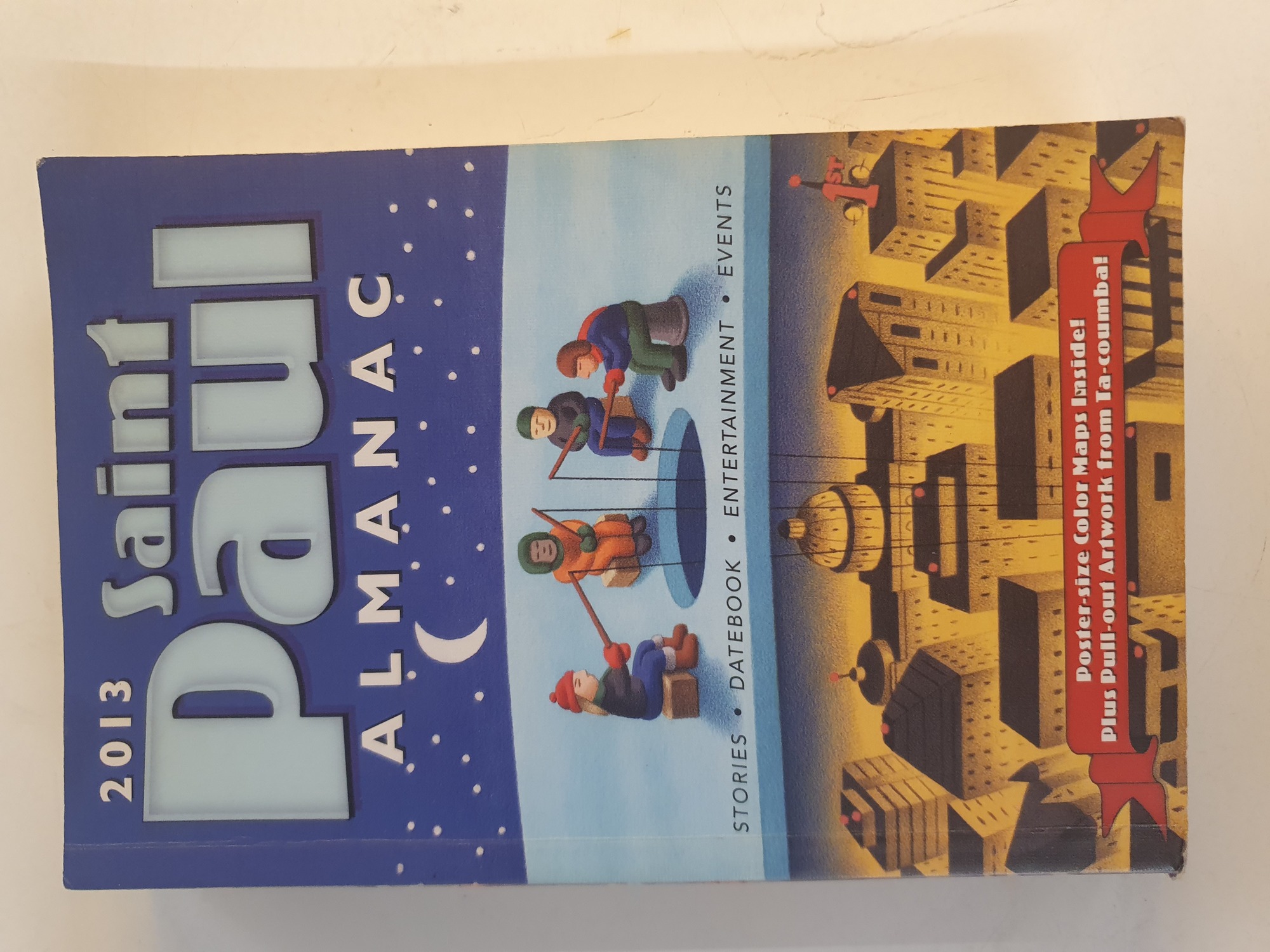
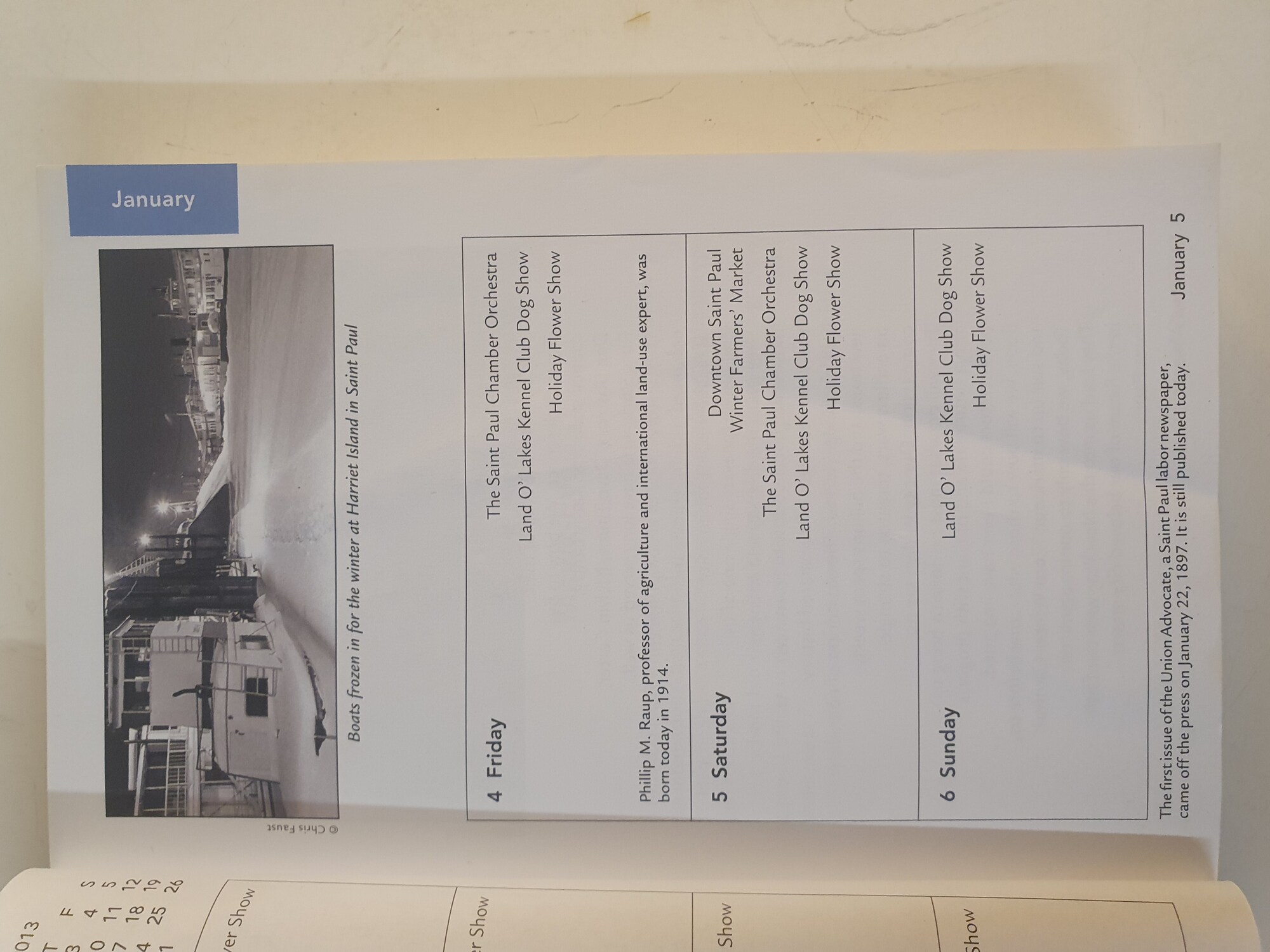
2013 Saint Paul Almanac Englisch 5.00 CHF ISBN: 9780321765336 |
|
|
Auch Teil des Konvoluts «5 Bücher aus Lyrik» |
|
      |
|
|
The 2013 Saint Paul Almanac is a fascinating and surprisingly detailed look at the history of the city of Saint Paul, Minnesota, and its relationship with the broader American landscape. It's more than just a history book; it's a meticulously researched and beautifully illustrated chronicle of the city's evolution, often viewed as a "social history" of the region. Here's a breakdown of its key aspects: **Core Concept & Purpose:** * **Focus on the "Invisible" History:** The Almanac deliberately focuses on the often-overlooked histories of marginalized communities - particularly African Americans, Native Americans, and immigrants - who shaped the city's development. It argues that the story of Saint Paul is not just about the city's economic growth, but about the complex and often painful experiences of those who were systematically excluded. * **"The Story of the City":** The book's central premise is that the city's identity is inextricably linked to the stories of its most vulnerable populations. It's a narrative of resistance, resilience, and the ongoing struggle for equity. **Key Features & Content:** * **Detailed Histories:** The Almanac is packed with incredibly detailed histories of specific neighborhoods, businesses, and individuals. It goes far beyond simple timelines, delving into the lives of people who were often forgotten or marginalized. * **Neighborhood Profiles:** Each chapter focuses on a specific neighborhood, exploring its origins, its unique character, its economic history, and the stories of its residents. * **Business Histories:** The book meticulously documents the rise and fall of businesses, often tracing their connections to the lives of the people who owned and operated them. * **Migration Stories:** It provides a rich tapestry of migration stories, detailing the journeys of people from different parts of the world who settled in Saint Paul and the challenges they faced. * **Cultural and Social Context:** The Almanac explores the cultural and social forces that shaped Saint Paul, including the influence of slavery, the Great Migration, and the development of the city's unique identity. * **Visuals:** The book is stunningly illustrated with photographs, maps, and archival documents. These visuals are crucial to understanding the stories being told. * **"The People of Saint Paul" Section:** This is a particularly important section, featuring profiles of key figures - both famous and ordinary - who have shaped the city's history. **Themes & Significance:** * **The Legacy of Slavery:** The Almanac is deeply concerned with the legacy of slavery and its continued impact on the city's racial and economic disparities. * **Immigration and Displacement:** It highlights the experiences of immigrants and refugees, often focusing on the challenges they faced in adapting to a new society. * **Community Resilience:** Despite facing significant hardships, the Almanac emphasizes the remarkable resilience and community spirit of the people of Saint Paul. * **Urban History & Social Justice:** It's a powerful example of how urban history can be used to address social justice issues. **Reception & Controversy:** * **Critical Acclaim:** The Almanac has been widely praised for its thoroughness, its insightful storytelling, and its commitment to social justice. It's considered a landmark work in urban history. * **Controversy:** The book has also faced some criticism, particularly regarding its focus on marginalized communities and its potential to reinforce stereotypes. Some critics argue that it presents a somewhat romanticized view of the past. **Where to Find It:** You can purchase a copy of the 2013 Saint Paul Almanac at: * **The Saint Paul Historical Society:** [https://www.paulhistory.org/2013-saint-paul-almanac/](https://www.paulhistory.org/2013-saint-paul-almanac/) **In short, the 2013 Saint Paul Almanac is a complex, deeply researched, and profoundly important book that offers a unique and often challenging perspective on the history of Saint Paul, Minnesota.** Do you have any specific aspects of the Almanac you'd like me to elaborate on? For example, are you interested in a particular neighborhood, theme, or historical figur |
|